Year 5
Roman Discovery day
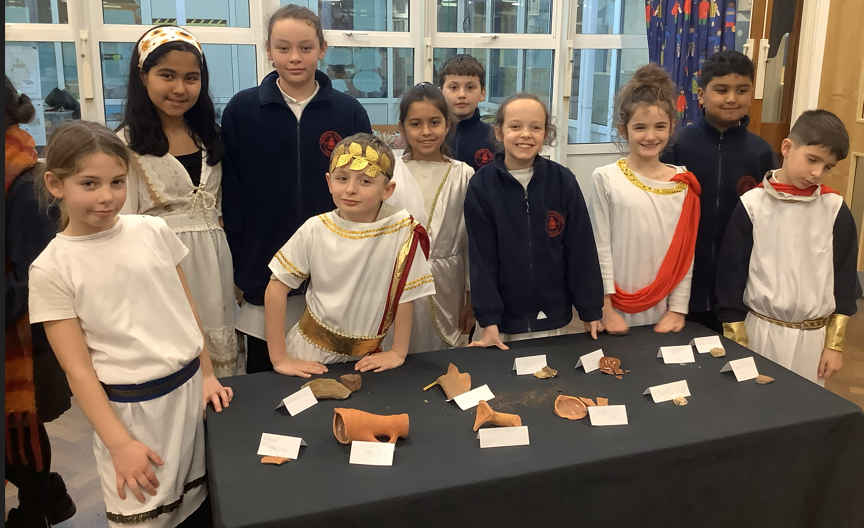
The term started off with a bang as the year 4 and 5 classes got to experience a Roman day at school. We made Roman arts and craft, learnt the skills of Roman fighting in the Roman army and even got to dig for artefacts like an archaeologist. We had so much fun and our learning really came alive.
World Book day 2026
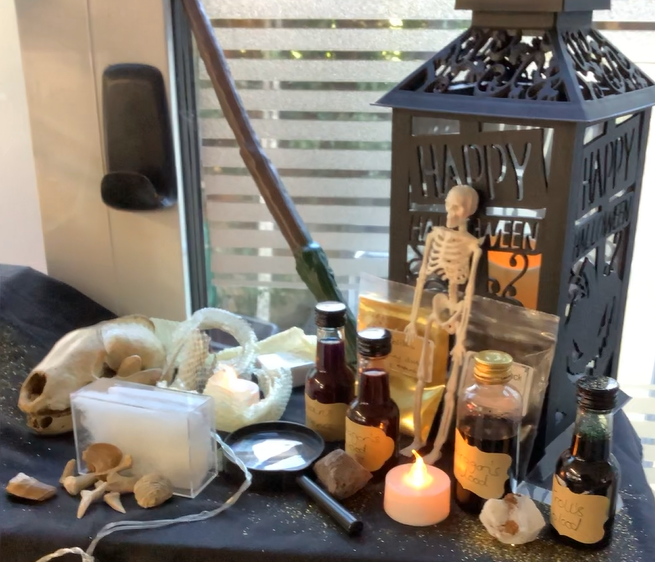
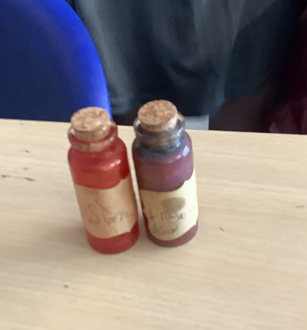
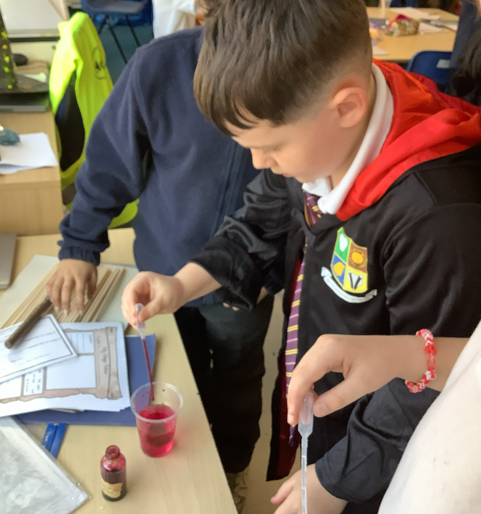
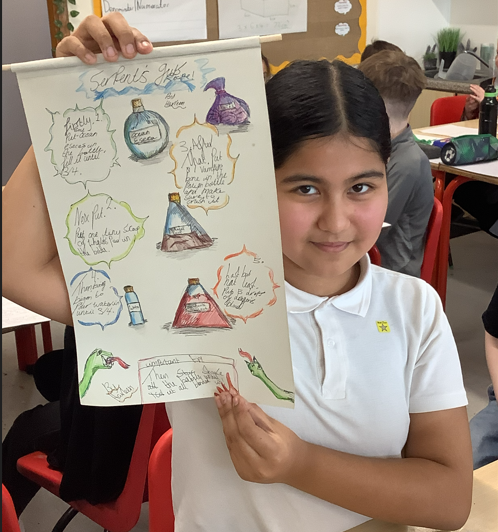
This World Book Day, our theme was Witches and Wizards. We spent a spell-bounding day at 'Hogwarts School of Wizardry' where we wrote a diary entry, created our very own potions that actually swirled and created a scroll of instructions for future wizards and witches to use so they could try out the spells for themselves.
Science week
Each year there is a new theme for British Science Week and for 2026 it was ‘Curiosity: what’s your question?
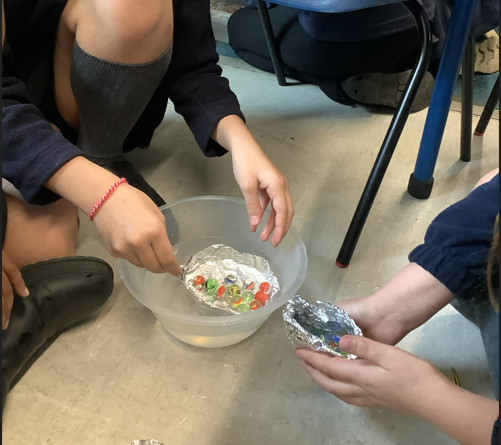
On day one we discovered all about how boats float to answer the question of buoyancy. We created tinfoil boats and kept adding marbles till they sank. We discovered shape and size had an affect on the boats ability to stay afloat.
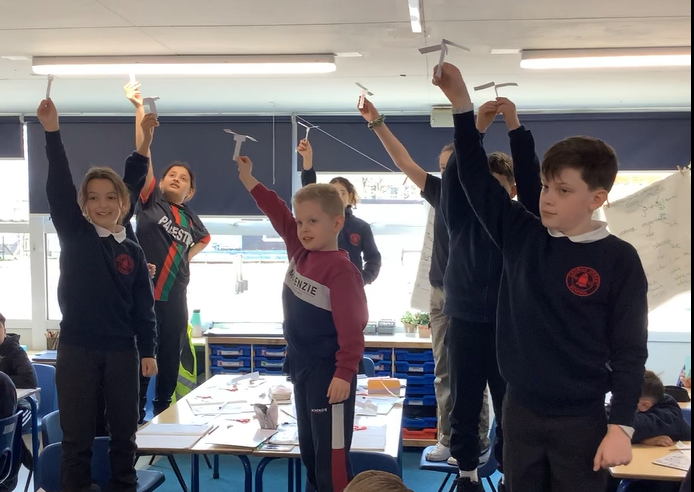
On day two, we discovered air resistance and how planes fly; because of the forces generated by air pressing on and moving over the surface of the paper. We made paper planes, gliders and helicopters to test this theory and to answer the question of whether paper planes would travel the furthest...shhhh think of surface area.

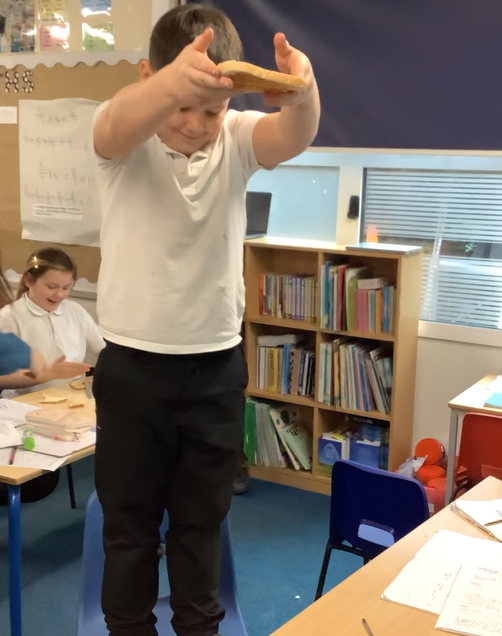
On day three, we investigated whether flipped toast always landed butter side down or up. We discussed Murphy's law which says 'what will go wrong, always will'.....we discovered it always fell butter side down as the buttered side was heavier. We used plain, buttered and jam toast to discuss whether a change in variable made a difference to the outcome. It did not, and thus we disproved Murphy's law.
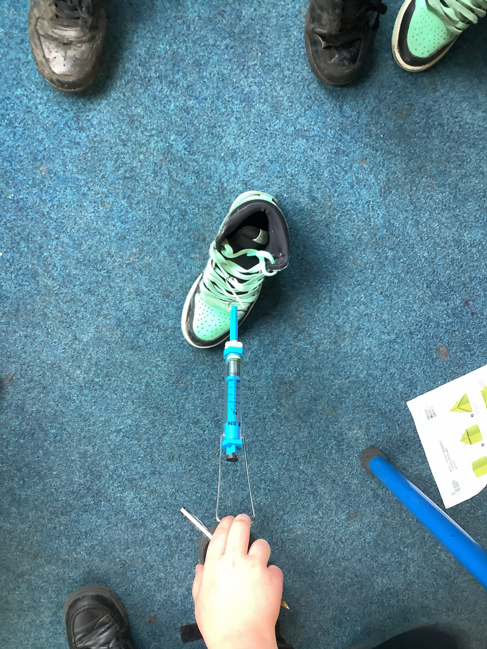
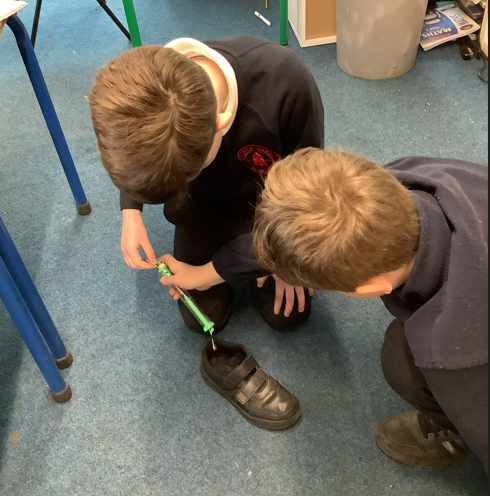
On day 4, we discussed friction, which is the force between two surfaces that are sliding, or trying to slide, across each other, which can also slow things down or speed them up. We did this by dragging our shoes across rough and smooth surfaces, measuring the amount of force needed for this. We measured this force with a newton metre. We discovered the shoes with the most grip produced the highest amount of friction, thus the highest measure of newtons.
Buddhism Day - 2026
We had a class discussion to understand the four sights that forced Siddhartha to understand the path to liberation. Based on what we learnt, we then held a debate on whether we would be the prince Siddhartha staying in our protected castle or going out into the world as Buddha where he taught people to lead good lives by being truthful, respecting others and doing good deeds.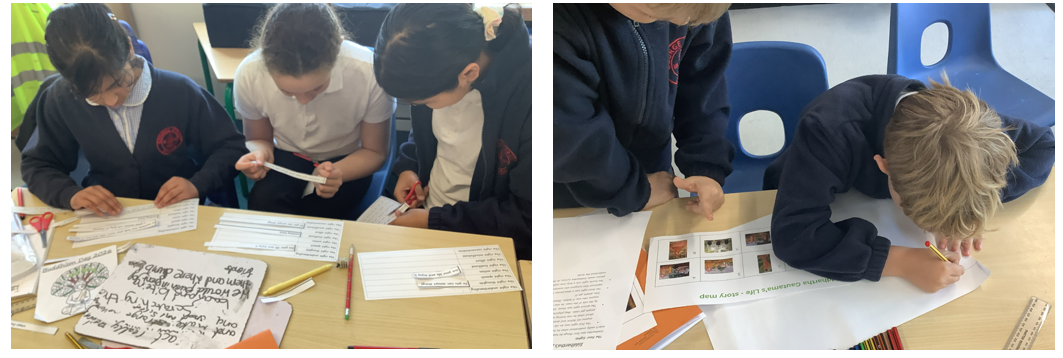
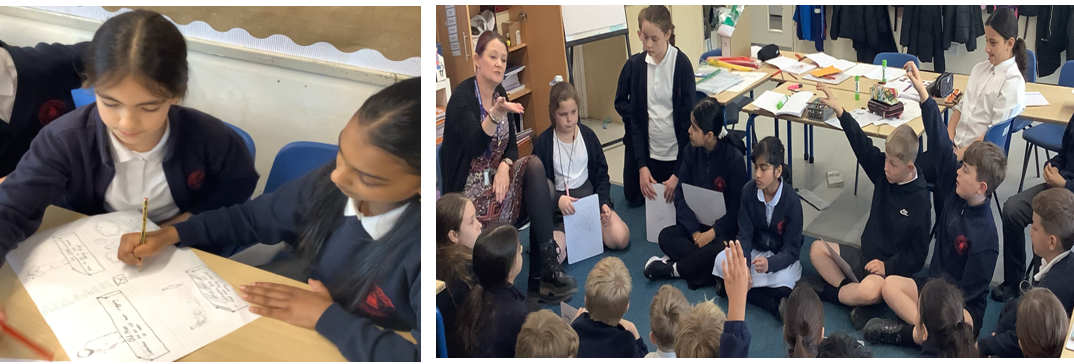
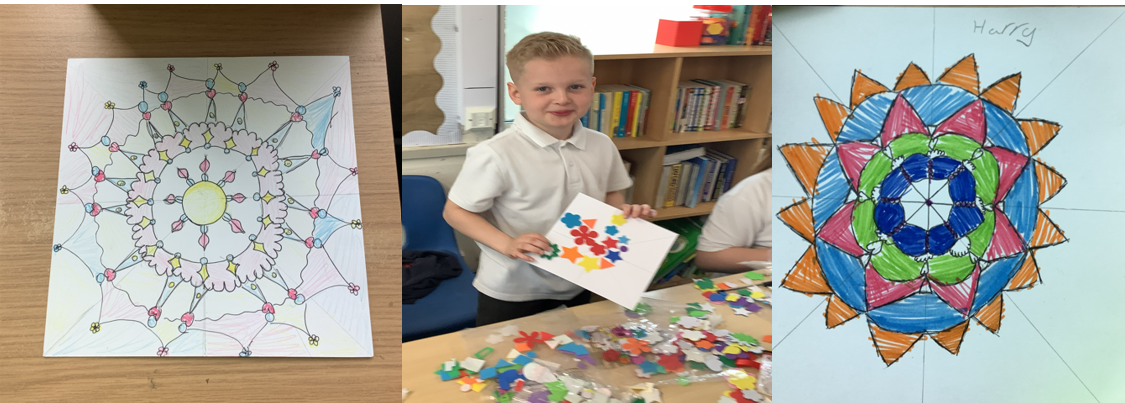
We also made mandala which a sacred tool for meditation, spiritual transformation, and used as a symbolic representation of the universe and an enlightened mind.